

What’s the difference?
| One-product store | Niche store | General store | |
|---|---|---|---|
| Products | One hero product | A few related products | Anything |
| Message | One promise | One audience | Broad |
| Testing new products | Slow: a new store each time | Within the niche | Fast |
| Feels like | A brand | A specialist | A shop |
When does a one-product store make sense?
When you’ve found a product that sells and want to scale it:
- One clear promise from the ad to the homepage to the order form.
- Every section works for one product: benefits, how it works, proof, offer.
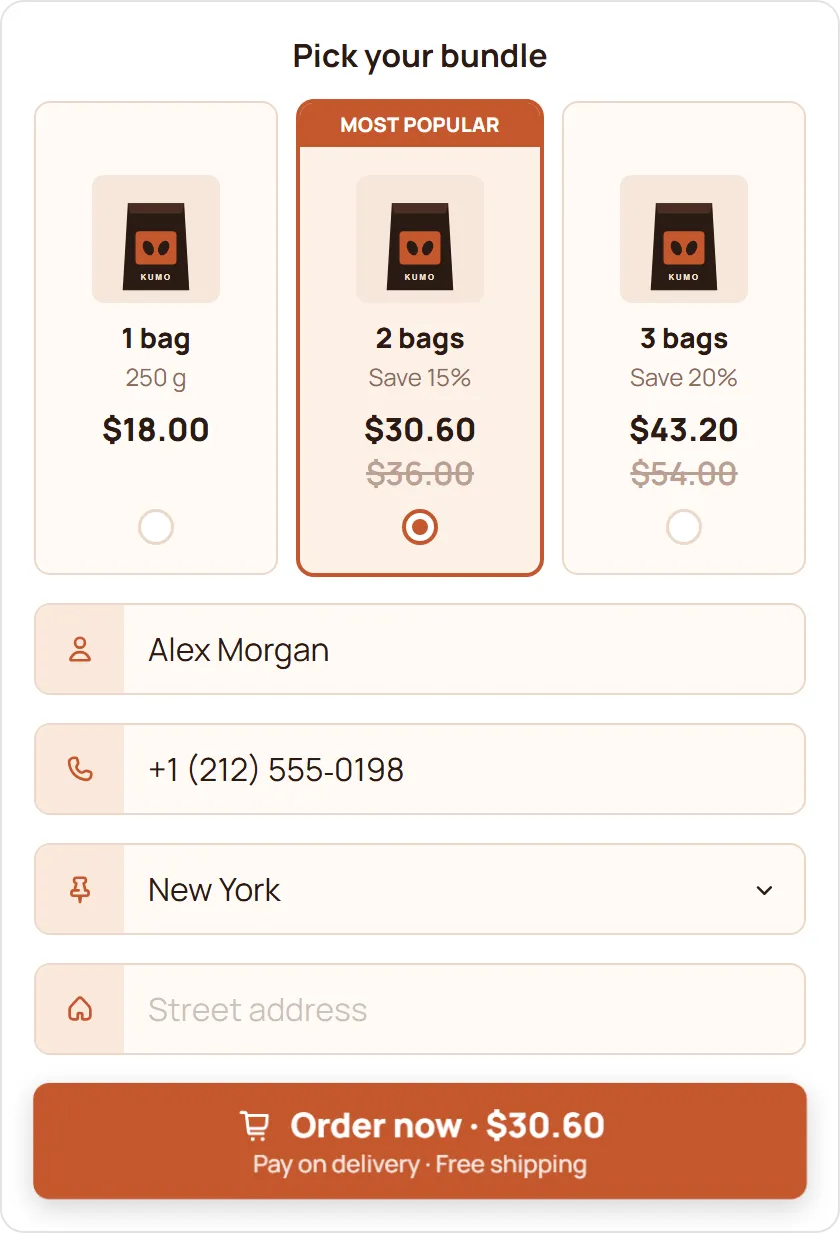
- Order value comes from the same product, through quantity offers and accessories.
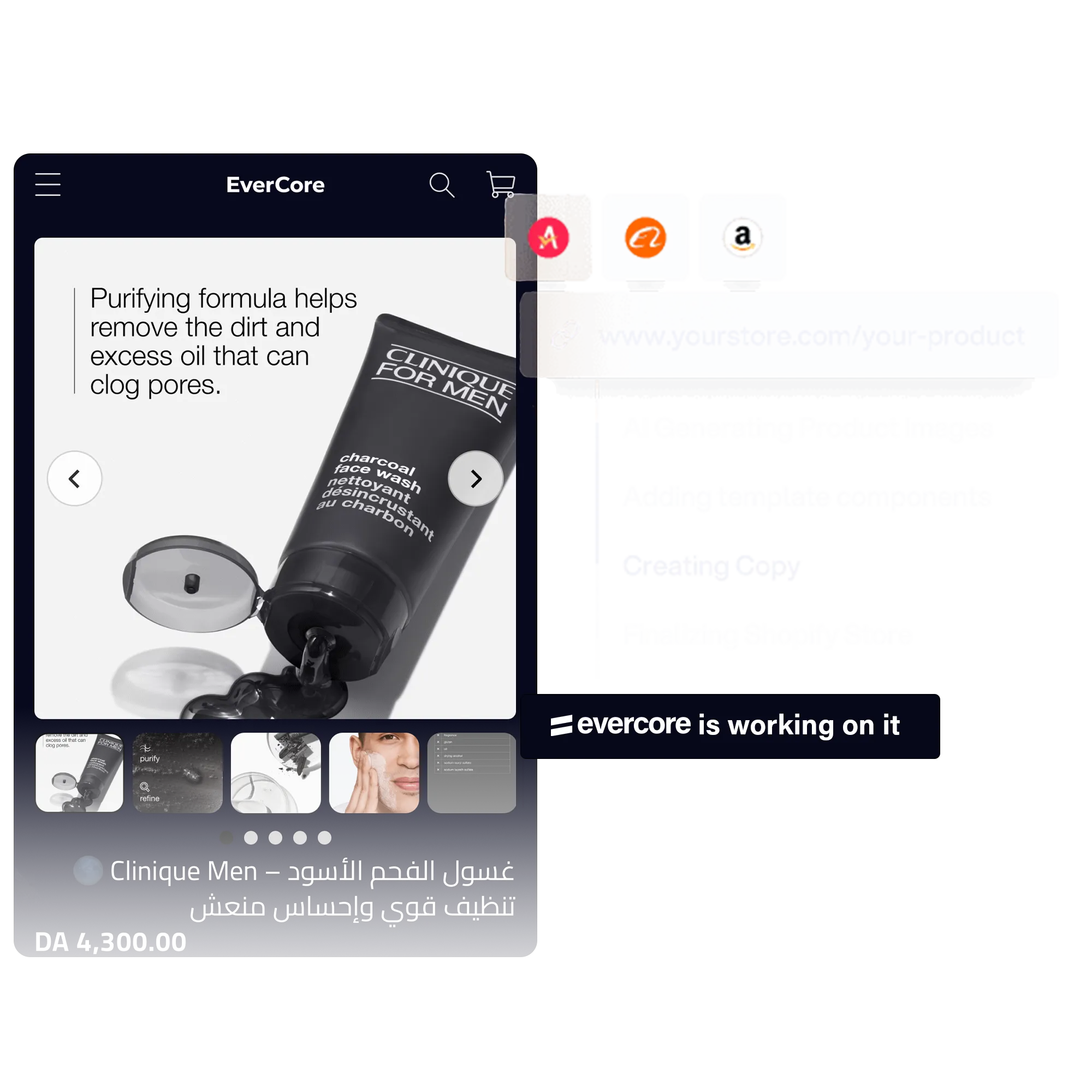
EverCore’s store builder is built for this: a full store is a homepage and a product page around one product.
When does a general store make sense?
When you’re still searching. A general store lets you add and drop products quickly, with one setup for payments, delivery prices and pixels. The trade-off is trust: a store selling a car accessory next to a skincare product looks less specialised to a buyer deciding whether to pay on delivery.
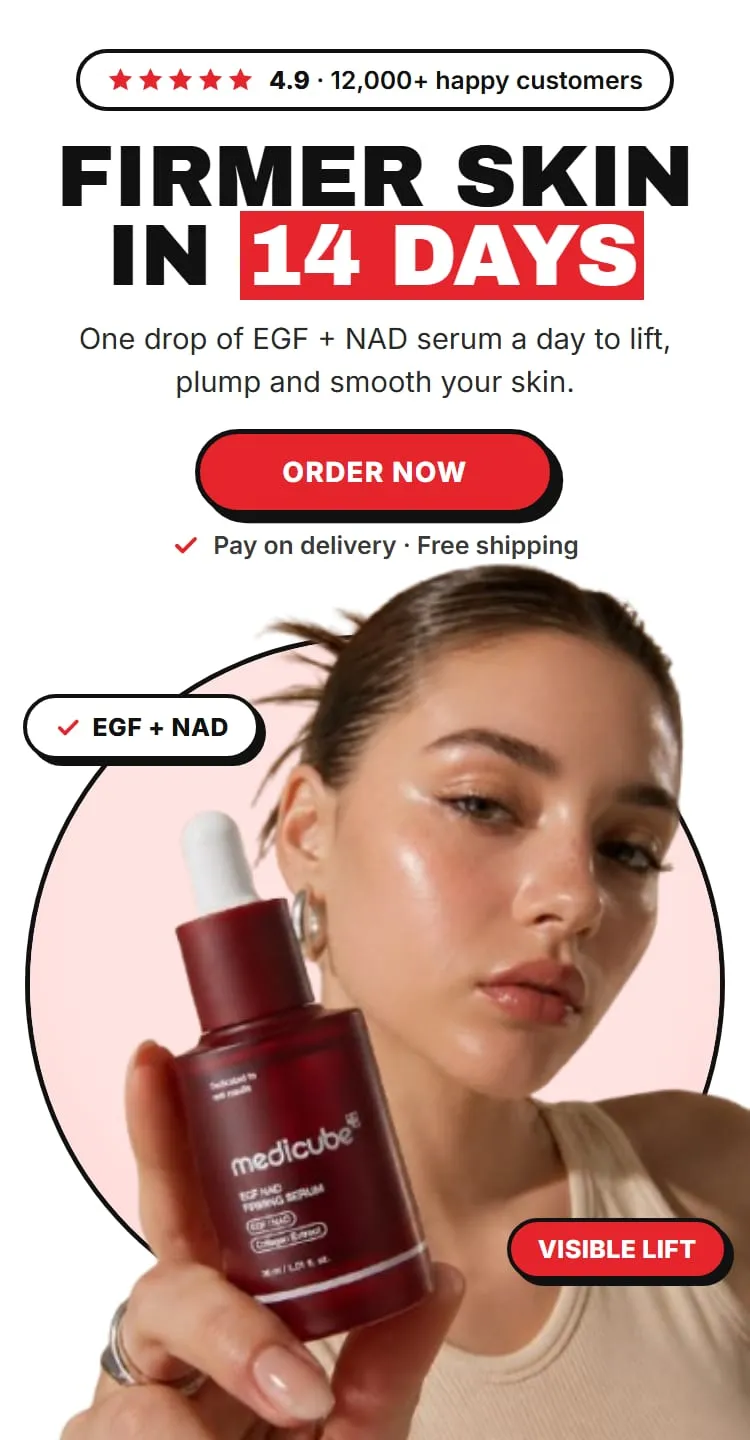
If you mainly need to test products, landing pages do the same job without a general store, one page per product.
What about a niche store?
A middle ground: a handful of related products for one type of buyer. It looks specialised, lets you test within the niche, and makes upsells natural, since the products go together.
How should a COD seller choose?
Ask what you’re doing this month:
- Testing many products? Landing pages, or a general store.
- Scaling one winner? A one-product store.
- Building around a type of buyer? A niche store.
You can do all three over time: test on landing pages, graduate the winner to its own store, and add related products later.
What stays the same whichever you pick?
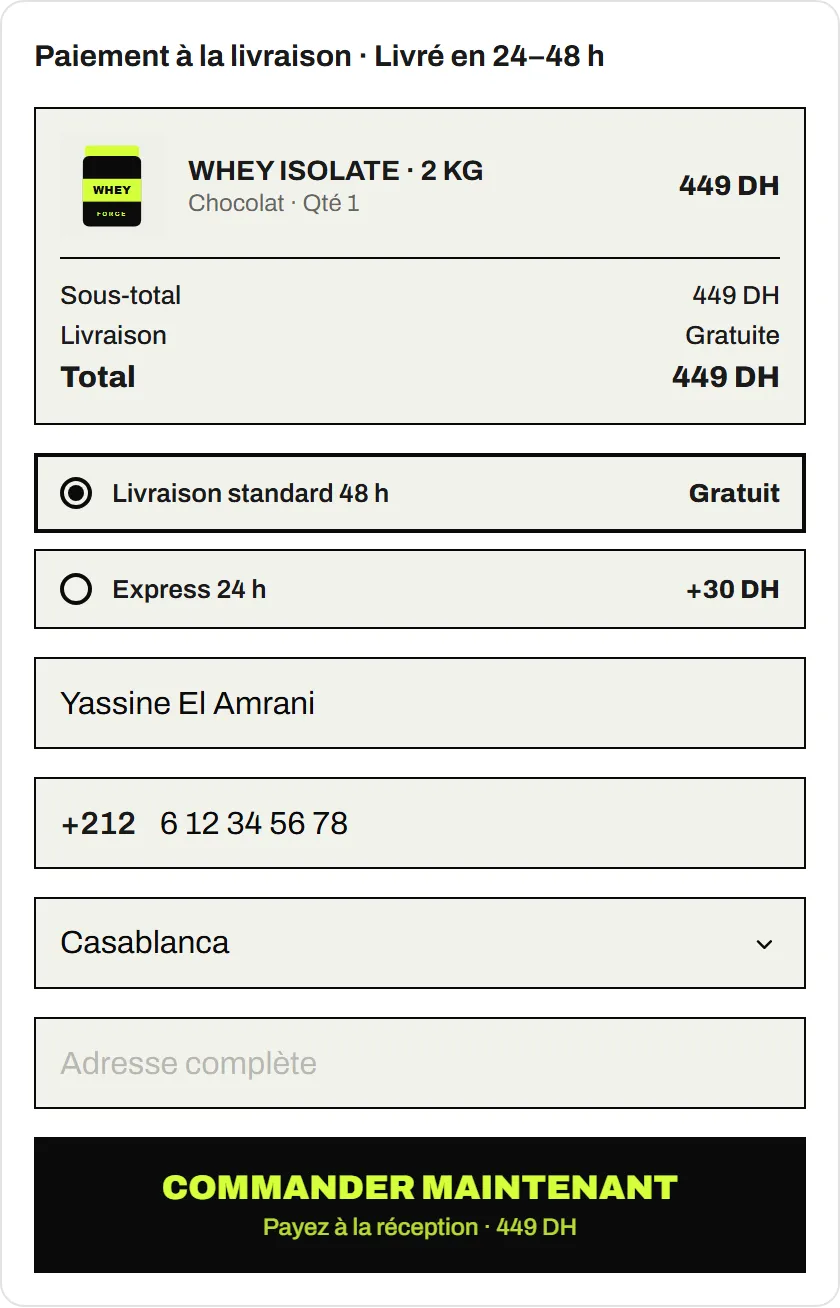
- The COD Form, with delivery prices per wilaya.
- Confirmation calls before shipping.
- Tracking on delivered orders, not just orders placed.